
Latest News & Articles
Harnessing ADBP for Cancer Treatment: A New Era of Immunotherapy
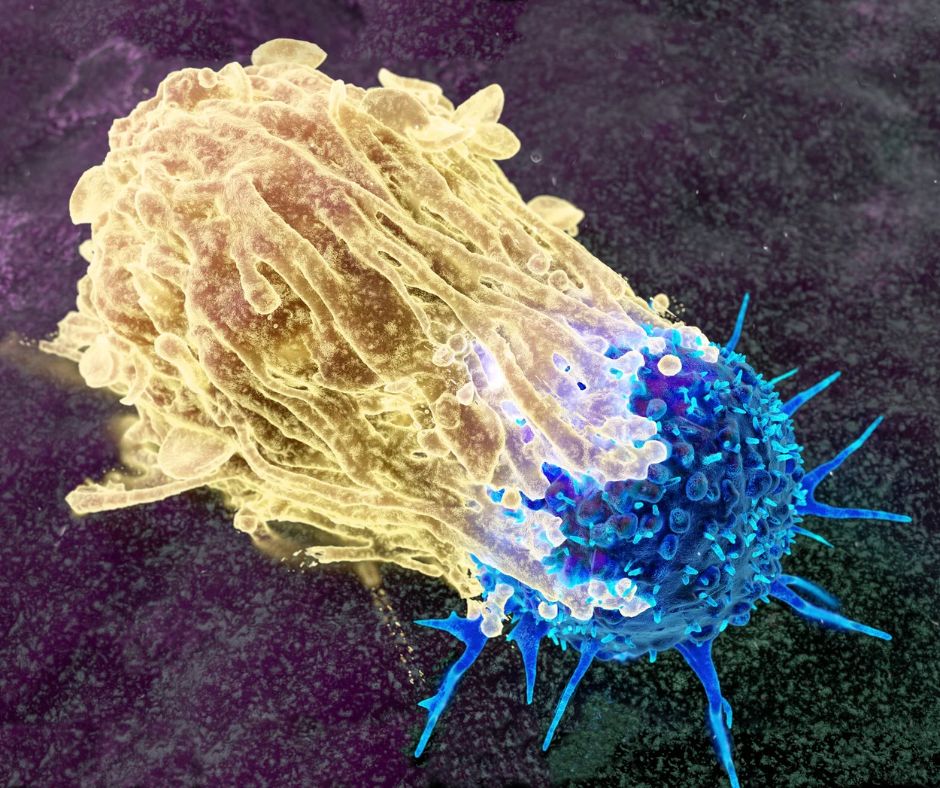
Is it possible to strengthen the immune system’s fight against cancer without reinventing the wheel?
Current cancer immunotherapy has made incredible strides, teaching the body to target tumors more effectively. But the challenge remains that many tumors evade detection, passing under the immune system’s radar. That’s where ADBP (Antigen Delivery Boosting Platform) steps in—not as a magic bullet, but as a tool designed to amplify immune signaling in ways that may complement existing treatments.
In this article, we’ll explore what makes ADBP a promising addition to cancer research, how it might enhance immune response specifically against tumor antigens, and the structured pathway it’s taking toward clinical testing. By the end, you’ll understand its role in the broader fight against cancer and where it may fit into the future of immunotherapy.
Let’s start by breaking down how ADBP works and the problem it aims to address.
The signals that tell the different cells that make up our body where and when to go and grow, what to do and even when and how to die are coded into structures on their surfaces that are also capable of recognition by the immune system. In every cancer cell the abnormalities that make it cancerous are expressed as abnormalities in their surface signaling structures.
Every day, our bodies produce around 330 billion new cells, with roughly one in every thousand being defective. While non-immune mechanisms correct or destroy about 99% of these flawed cells, approximately one in 100,000 still slips through, leaving about 3.3 million cells daily for the immune system to eliminate. Cancerous cells, however, develop strategies to evade this immune defense, allowing them to survive and thrive.
Cancer immunotherapy is the (currently very active) field of therapeutic efforts to overcome these mechanisms to evade immune elimination. The proven ability of ADBP to increase the strength of the signal antigens with the required solubility properties can deliver to the immune system makes it attractive to try with the tumor-specific antigens of cancers, as well.
The Challenge of Cancer Immunotherapy
Cancer Immunotherapy has fundamentally changed how medicine approaches treatment. Rather than targeting tumors directly with blunt instruments, it trains the body’s own defenses to do the work.
While cancer immunotherapy has advanced significantly, it still faces challenges. Tumors adapt by developing mutations that help them evade immune elimination, making treatment a constant battle rather than a problem with a simple solution. ADBP isn’t a magical key to unlock every barrier, but it offers a new tool to strengthen medicine’s ability to counteract these immune evasion tactics.
Tumors employ various strategies to evade immune detection, such as masking surface markers, adapting to resist immune pressure, or provoking highly variable responses between patients, which complicates the ability to deliver consistent cancer treatments at scale. Adding to these challenges is the cost of advanced therapies, which often limits accessibility. However, ADBP’s processes, being largely automatable, hold the potential to reduce production costs, improving their availability to cancer patients on a national or even global scale.
Researchers continue exploring innovative cancer immunotherapy methods to address treatment gaps, aiming for therapies that are more reliable, accessible, and cost-effective. While ADBP may not guarantee immediate breakthroughs in cancer treatment, its potential to enhance immune signaling makes it a valuable addition to the spectrum of research efforts. Given cancer’s significant public health impact, incorporating ADBP into this field is a logical and timely step, even as its specific contributions remain to be fully determined.
ADBP plays a role in enhancing how the immune system recognizes and responds to cancer-specific targets. While it’s not the only method in this space, ADBP serves as a tool to amplify the strength of signals that properly prepared tumor-specific antigens send to the immune system, potentially improving the immune response. To understand how this fits the broader platform, read our hub article [Placeholder Link to Hub Article: comprehensive overview of ADBP technology and its potential].
Readers looking for a plain-language foundation can begin with Understanding Tumor-Specific Antigens: The Key to Cancer Immunotherapy before continuing here.
Tumor-Specific Antigens and ADBP’s Role
Tumors carry unique surface markers known as tumor-specific antigens. The immune system evolved to be able to identify these abnormalities and respond by eliminating the cells that carry them. Tumors survive by developing adaptive mechanisms to evade immune recognition and elimination. These markers signal to the immune system that a cell is abnormal and should be targeted. In practice, those signals are often too faint, too hidden, or too easily ignored for the immune system to act on consistently.
ADBP for Cancer Treatment aims to address the challenge of enhancing immune response to tumor-specific targets. While not a magic bullet, ADBP holds promise as a tool to strengthen therapeutic immune signaling in cancer, much like its success in other applications such as poison ivy treatment. It operates by improving how the immune system detects and processes tumor markers, enabling antigen-presenting cells to handle these signals more efficiently and fostering a stronger, more directed immune reaction. This sustained response forms the basis of ADBP and immune-boosting therapies using real tumor targets, complementing other established cancer immunotherapy approaches that also focus on these critical markers.
This directed approach highlights how ADBP may enhance immune response in cancer patients and its potential role in advancing tumor immunotherapy. It’s important to note that scientific interest in ADBP’s application to tumor immunotherapy is limited to internal research efforts. Broader recognition will likely depend on the successful demonstration of its mechanism of action in future studies, such as the preclinical work planned in animal models. The same antigen-targeting logic also informs ADBP’s applications beyond cancer, connecting this work to the broader Immunotherapy Advances with ADBP documented in our hub article.
Readers interested in the underlying biology can explore How ADBP Boosts Immune Response in Cancer Treatment for a closer look at the mechanism.
The Potential Impact on Patient Outcomes
The scientific promise of ADBP is real. So is its human dimension.
Better immune targeting could mean stronger treatment responses and fewer ineffective rounds of therapy. It could shorten the time patients wait to see results. It could reduce the physical and financial toll that advanced cancer care places on individuals and families.
Access remains a significant challenge in cancer care, as the most effective treatments often come with prohibitively high costs, limiting their availability to those who need them most. While Affordable Immunotherapy Options Using ADBP could potentially increase access to treatment, achieving affordability will require exploring methods to automate the identification, isolation, and adaptation of tumor-specific antigens for ADBP. Addressing these challenges could pave the way for broader and more equitable access to effective cancer care.
ADBP also has the potential to work alongside existing therapies rather than replace them. Researchers are studying the Role of ADBP in Enhancing Chemotherapy Effectiveness, which could allow current treatments to perform better in combination with ADBP-based approaches.
ADBP is positioned among the most promising immunotherapy solutions for cancer under development, with its focus on measurable, patient-centered results. Its mission aligns with broader goals in the field: to help more patients more reliably without making care unattainably expensive. Initially, ADBP will need to function as an enhancement to existing cancer therapies, particularly immunotherapy. If future research demonstrates that the addition of ADBP is significantly effective, its standalone potential could then be explored. However, it is too early to promote economic savings at the individual patient level.
To see how this patient-first thinking connects to the platform’s wider vision, explore the hub article.
The next step in that vision is personalization. Read The Future of Cancer Immunotherapy: ADBP’s Role in Personalized Medicine to follow that thread forward.
Why Cancer Immunotherapy is a Prime Target for ADBP
Cancer care requires precision, and while current immunotherapy methods already excel in this area, their challenge lies in signal strength. ADBP addresses this gap by amplifying the signals that certain tumor-specific antigens can send to the immune system, much like its success with the urushiol allergens in poison ivy. This capability positions oncology as one of the most compelling and high-priority applications for the platform, offering a unique enhancement to existing treatments.
The potential for ADBP to enhance cancer treatments lies in its ability to work with known, consistent tumor-specific antigens rather than acting as a broad-spectrum solution for personalized medicine. Its targeting design supports precision by amplifying immune responses specific to tumor markers already identified in certain cancers. While the platform’s mechanism theoretically scales across multiple cancer types, its initial and most feasible applications will likely prioritize cancers where these specific antigens are consistent across patients, ensuring a focused and efficient approach. This is how ADBP is transforming cancer immunotherapy. It connects the benefits of ADBP in immune-based cancer treatments to a development pathway that is structured, evidence-driven, and broad in reach.
For readers new to this technology: What Is ADBP Technology in Cancer Immunotherapy? It is a particulate antigen delivery platform that helps the immune system identify and respond to cancer-specific markers more effectively. How Does ADBP Work in Fighting Cancer? By improving antigen presentation at the cellular level, it sharpens the immune response toward tumor-specific targets.
Cancer is a primary focus, but it is not the only one. The same platform capabilities that apply here also support ADBP’s work across infectious diseases and additional therapeutic areas, as outlined in our full hub article.
Investors taking a closer look at this space can continue with Investing in Cancer Immunotherapy: Opportunities and Challenges for a focused review of the opportunity and its context.
To continue learning about BOME Pharma’s vision for immune innovation and the ADBP platform, explore the hub article.
For additional information about BOME Pharma, current development milestones, and the ADBP platform, contact info@bomepharma.com or visit https://bomepharma.com.